Introduction
In the realm of healthcare, reliable nourishment is pivotal for client recovery. One significant method used to ensure sufficient dietary consumption is enteral feeding. This write-up dives deep into "The Role of Enteral Feeding in Client Recuperation: A Program Overview," exploring its significance, methods, and the training offered to health care professionals associated with this process.
Enteral feeding describes the distribution of nutrients directly right into the gastrointestinal tract via a tube. It is frequently used when patients can not consume food orally because of different medical problems, such as neurological disorders, cancers cells, or severe injuries. Understanding enteral feeding's function in patient recovery is necessary for healthcare providers, consisting of registered nurses and assistance workers who involve with clients needing this kind of nutrition.

This comprehensive overview will additionally discuss appropriate training courses offered for experts seeking to improve their skills in enteral feeding methods. With keyword phrases like "ndis peg feeding training," "enteral feeding support course," and "peg training for nurses" peppered throughout, we intend to provide a comprehensive understanding of the area while making sure access for all readers.
The Function of Enteral Feeding in Client Healing: A Training Course Overview
What is Enteral Feeding?
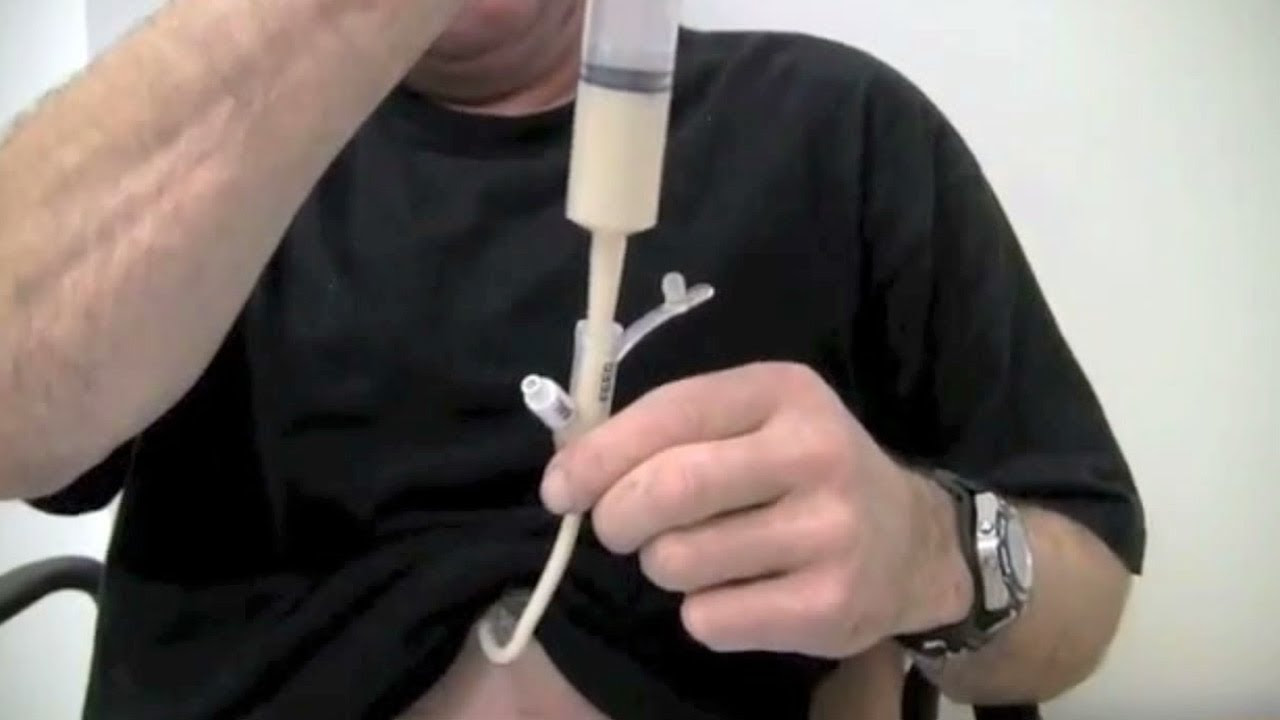
Enteral feeding includes supplying nutrients straight right into the digestion system via a tube when dental intake wants or impossible. This approach can be life-saving for individuals struggling with problems that hinder swallowing or digestion.
- Types of Enteral Feeding: Nasogastric (NG) Tube: Put via the nose into the stomach. Orogastric Tube: Placed through the mouth into the stomach. Percutaneous Endoscopic Gastrostomy (PEG) Tube: Operatively placed within the tummy with the stomach wall.
The choice of tube typically depends on the period of feeding required and individual patient needs.
Why Is Enteral Nourishment Important?
Nutritional assistance through enteral feeding plays a vital function in:
- Maintaining Nutritional Status: Avoids poor nutrition and assists maintain muscular tissue mass. Improving Recovery Times: Adequate nourishment can accelerate recovery from surgical procedures and illnesses. Enhancing High quality of Life: Proper nutrients impacts total well-being and power levels.
Indications for Enteral Feeding
Understanding when to initiate enteral feeding is crucial for optimum person treatment. Typical signs include:
- Neurological problems (e.g., stroke) Cancers influencing swallowing Severe burns or terrible injuries Chronic health problems influencing appetite
Training and Courses Available
To successfully administer enteral nourishment, medical care specialists require specialized training. Right here are some crucial courses:
Ndis PEG Feeding Training
This course focuses on allowing assistance employees to aid people with PEG tubes competently and compassionately.
Enteral Feeding Support Course
Designed for registered nurses and allied wellness professionals, this course covers crucial techniques related to administering and keeping an eye on enteral feeds.
PEG Training for Nurses
Specialized training that emphasizes medical methods bordering PEG tube insertion, upkeep, and fixing complications.
PEG Training Courses
Various institutions offer programs that provide both academic knowledge and functional abilities related to secure systems.
PEG Feeding Course
An extensive summary created specifically for caregivers in charge of taking care of people on PEG feeds.
What Is PEG Feeding?
Percutaneous Endoscopic Gastrostomy (PEG) feeding refers especially to delivering nutrients straight right into the belly utilizing a tube positioned through an endoscopic treatment. It's often picked when lasting nutritional assistance is necessary.
Components of Successful Enteral Nutrition
Nutritional Solutions Made use of in Enteral Feeding
Different formulas exist based upon patient needs:
- Standard formulas: For those with regular digestion. Hydrolyzed solutions: For patients with damaged digestion or absorption.
It's vital to pick a formula that matches each client's specific metabolic requirements.
Administration Methods
Enteral feeds can be provided using several approaches:
Bolus Feeding: Big amounts provided at once. Continuous Infusion: Slow management over 24 hours. Intermittent Feeding: Routine periods throughout daytime hours.Understanding these techniques permits doctor to customize methods according to specific patient requires effectively.
Monitoring Patients Getting Enteral Nutrition
Assessing Nutritional Needs Regularly
Routine assessments help ensure that each patient receives ample nourishment customized to their progressing requirements.
Identifying Difficulties Early
Vigilant tracking can help prevent potential complications related to enteral feeding such as:
- Tube blockage Infection at insertion sites Gastrointestinal discomfort
Regular analyses assist in timely interventions that improve outcomes significantly.
Psychosocial Facets of Enteral Feeding
Addressing Individual Issues concerning PEG Tubes
Patients may experience anxiety regarding their brand-new dietary program or issues regarding their look due to visible tubes. Open communication can reduce concerns while advertising adherence to treatment protocols.
Family Education and Support
Educating family members concerning enteral feeding boosts home treatment Browse this site high quality when people transition from health center environments back home.
Frequently Asked Inquiries (FAQs)
1. What are common indications for using enteral feeding?
Common indicators consist of neurological problems influencing ingesting, cancer treatments leading to anorexia, extreme head injuries, or any kind of condition where oral intake isn't viable.
2. How does one know if a person needs PEG feeding?
Healthcare professionals assess ingesting capabilities together with dietary needs; if oral intake falls short continually in time, PEG could be indicated.

3. What sorts of solutions are used in enteral nutrition?
Formulas differ from typical blends suitable for most patients to specialized hydrolyzed options developed for those with unique digestive requirements.
4. Exist threats associated with enteral feeding?
Risks include infection at website insertion factors, aspiration pneumonia from misplacement, or issues originating from inaccurate formula management methods.
5. Exactly how commonly ought to dietary assessments occur?
Regular assessments should occur weekly originally; adjustments may be made a lot more frequently if substantial modifications develop in health condition or weight changes take place swiftly thereafter.
6. What training do health care professionals need for providing PEG feeds?
Training ought to encompass makeup understanding relating to tube positioning & & administration methods alongside examining mental impacts on patients obtaining this sort of nutrition treatment effectively.
Conclusion
In conclusion, recognizing "The Role of Enteral Feeding in Individual Recovery" remains pivotal within medical care self-controls concentrated on supplying optimal dietary treatment customized in the direction of private client situations-- especially those involving complicated problems demanding alternate courses like PEG tubes successfully managed by trained experts throughout multiple setups including nursing roles & & helpful solutions alike!
By cultivating expertise via structured programs such as ndis peg feeding training & & various other pertinent programs targeted at boosting caregiver proficiency levels allow much better results ultimately profiting both patients' physical wellness while enhancing their total quality-of-life experiences dramatically with time!
Investing time right into grasping these complex details equips devoted professionals committed toward holistic strategies rooted strongly within evidence-based practices throughout all stages involved-- thus making certain no specific left behind no matter where they stand along their healing trip ahead!