Introduction
In the ever-evolving landscape of healthcare, support workers play a crucial duty in ensuring people obtain thorough care customized to their special needs. One location that has garnered considerable attention is enteral nourishment, particularly for individuals that can not take in nutrients via conventional methods. This guide, Navigating the Globe of Enteral Nourishment: A Guide for Assistance Workers, will certainly delve into the essentials of enteral nutrition support, including training opportunities like NDIS peg feeding training and courses designed particularly for support workers and nurses.
Understanding Enteral Nutrition
What is Enteral Nutrition?
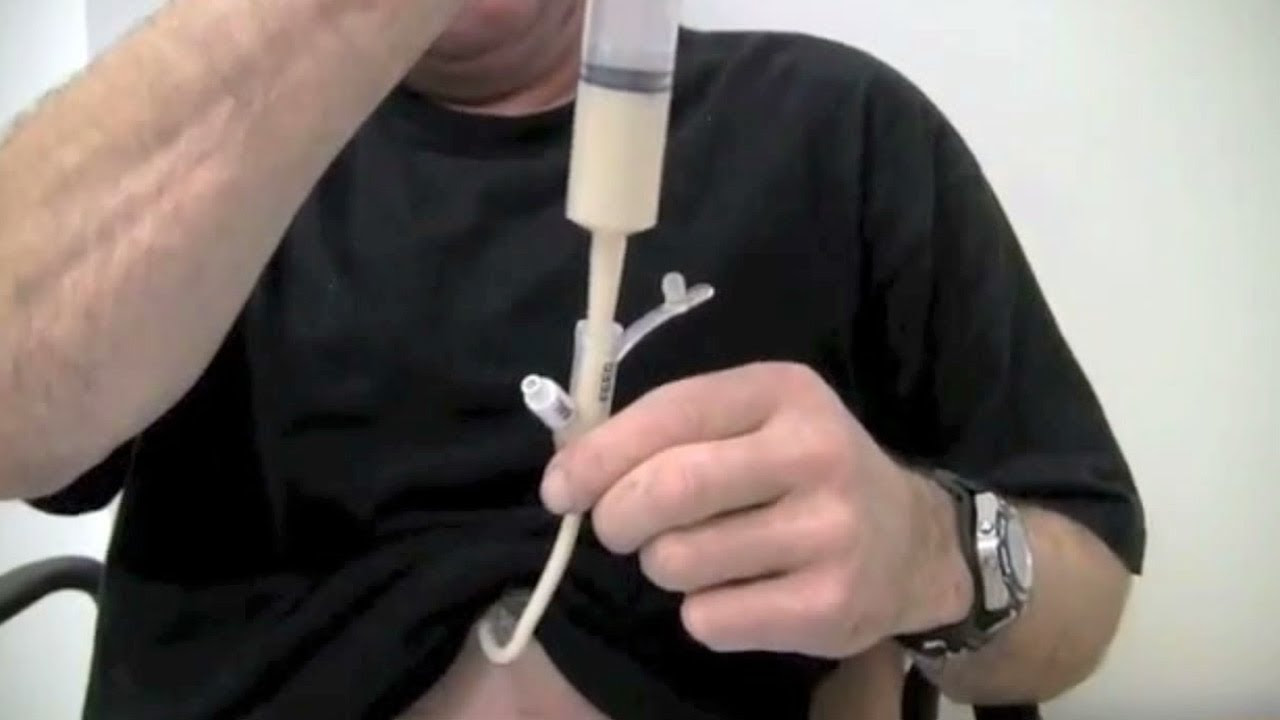
Enteral nourishment refers to the distribution of nutrients directly into the gastrointestinal tract via a tube. This approach is crucial for patients that have difficulty ingesting or soaking up nutrients with dental intake. Typically administered through a PEG (Percutaneous Endoscopic Gastrostomy) tube, enteral feeding offers necessary minerals and vitamins essential for recuperation and overall health.
Why is Enteral Nutrition Important?
Enteral nutrition is crucial in numerous professional scenarios, such as:
- Neurological Disorders: Problems like stroke or ALS might harm swallowing. Gastrointestinal Issues: Conditions such as Crohn's illness can avoid ample nutrient absorption. Cancer Treatment: Patients undergoing radiation treatment might experience queasiness or absence of appetite.
By guaranteeing appropriate nutrition, healthcare providers can help with healing, boost quality of life, and stop issues related to malnutrition.
The Function of Assistance Employees in Enteral Nutrition
Key Responsibilities
Support employees play an instrumental duty in enteral nourishment administration, which includes:
- Administering feedings by means of PEG tubes. Monitoring individuals for indications of complications. Educating people and family members concerning treatment procedures.
Being well-trained is necessary for assistance workers to accomplish these obligations effectively.
Essential Abilities and Expertise Areas
To browse the globe of enteral nourishment effectively, assistance employees need to be proficient in:
Understanding kinds of enteral feeds. Recognizing signs of infection around PEG sites. Maintaining health during feeding procedures.Training Opportunities for Support Workers
NDIS PEG Feeding Training
The National Impairment Insurance policy Plan (NDIS) supplies specialized training programs concentrated on peg feeding. This training gears up assistance workers with:
- In-depth understanding regarding PEG tube insertion and maintenance. Skills to troubleshoot usual problems associated with fix feeding.
This training course enhances the quality of care provided to customers needing enteral nutrition.
Enteral Feeding Support Program Overview
An enteral feeding support course covers various aspects including:
- Types of enteral formulas. Techniques for safe administration.
Completing this training course can substantially reinforce an assistance worker's self-confidence when taking care of people on enteral nutrition.
Advanced Training Options: Peg Educating Courses
PEG Training for Nurses
Nurses are typically at the forefront when it comes to developing and managing enteral feeding methods. Specialized PEG training courses made for registered nurses focus on:
- Advanced professional skills connected to tube placement. Management strategies post-insertion.
These courses are essential not just for nurses yet additionally useful for any kind of healthcare expert involved in patient care relating to enteral feeding.
Peg Feeding Certification Programs
For those seeking to define their competence in peg feeding, numerous institutions offer certificate programs that explore:
Clinical theories behind enteral nutrition. Practical skills needed for effective individual management.Holding a peg feeding certificate can open up doors for advanced functions within medical care settings.
Practical Considerations in Enteral Feeding Management
Types of Enteral Feeds Available
Different kinds of enteral feeds satisfy unique nutritional demands:
Standard formulas-- Ideal for a lot of clients without special needs. Elemental diets-- Predigested nutrients optimal for those with serious gastrointestinal issues. Specialized formulas-- Tailored dietary material based on clinical problems (e.g., diabetes).Understanding these choices allows assistance workers to choose suitable feeds based upon individual person needs.
Administering Feedings Securely and Effectively
When administering feedings by means of PEG tubes, think about the adhering to guidelines:
Verify tube positioning prior to launching feeds. Use sterilized devices to reduce infection risk. Monitor patient reaction throughout the procedure.Proper methods make sure both security and effectiveness during every feeding session.
Monitoring Individuals on Enteral Nutrition
Signs and Symptoms to View For
Regular tracking is essential when caring for people receiving enteral nourishment. Secret indicators include:
- Signs of aspiration (coughing during feedings). Abdominal discomfort or bloating post-feeding.
Identifying these symptoms early permits prompt intervention by medical care professionals.
Managing Complications Associated with PEG Tubes
Complications can emerge from incorrect usage or treatment of PEG tubes, including:
Infection at the insertion site Tube dislodgment Blockages within the tubeSupport employees should be trained in recognizing these problems immediately and taking proper activity-- whether it's cleaning up a site or seeking assistance from nursing staff.
Patient Education and learning as Component of Care Plans
Teaching Patients About Their Nourishment Needs
An essential part of an assistance worker's task involves educating people about their nutritional demands while on enteral feeding:
Discuss nutritional choices where feasible-- some clients might want certain tastes or textures. Explain how regular tracking contributes favorably to their health outcomes.Empowering patients with knowledge promotes freedom and conformity with nutritional plans.
Working Collaboratively With Medical care Teams
Importance of Interdisciplinary Collaboration
Collaboration among health care specialists ensures holistic client care in managing enterally fed customers:
Regular team conferences can assist attend to concerns relating to private cases. Sharing insights among self-controls fosters far better understanding and therapy plans tailored to every client's needs.Support workers are vital participants adding useful observations from everyday communications with customers that must be communicated effectively within teams.


Frequently Asked Questions (Frequently asked questions)
1. What is PEG Feeding?
PEG feeding includes offering nutrition directly via a percutaneous endoscopic gastrostomy (PEG) tube when dental intake isn't possible as a result of various medical conditions.
2. Exactly How Can I Get Trained in Peg Feeding?
Various institutions supply specific training programs such as NDIS peg feeding training, alongside on-line choices like an enteral feeding support course
3. What Prevail Problems Related To PEG Tubes?
Common difficulties may consist of infections at insertion websites, dislodgment, or blockages which call for prompt focus from qualified personnel.
4. Just How Usually Ought To Feedings Be Administered?
Feeding schedules vary based upon specific needs but usually range from continuous infusion throughout the day to numerous bolus feedings depending on medical professional recommendations.
5. Can Any Individual Administer Enterally Fed Nutrients?
While fundamental caregiving functions can include assisting with feedings after proper training (e.g., peg training courses), just qualified medical care experts need to execute procedures entailing enteral feeding support course tube placement.
6. What Is The Significance Of Nutritional Checking In People Under Going Enteric Feeding?
Regular monitoring helps identify possible complications early while guaranteeing that dietary objectives are being met successfully over time.
Conclusion
As we've discovered throughout this overview titled Navigating the Globe of Enteral Nutrition: An Overview for Support Workers, understanding the concepts behind efficient monitoring methods surrounding enterally fed people is important in today's medical care setup-- where individualized care becomes extremely important! By obtaining proper qualifications with readily available training courses like NDIS peg feeding training or specialized peg training courses customized in the direction of nurses/support staff alike; one can absolutely make meaningful contributions towards boosting patient outcomes through thoughtful involvement alongside careful procedural adherence!
Equipped with knowledge, sources, interaction abilities-- and most importantly-- a real desire to improve lives; assistance workers stand at the leading edge within this transformative field-- where every dish delivered represents hope restored!